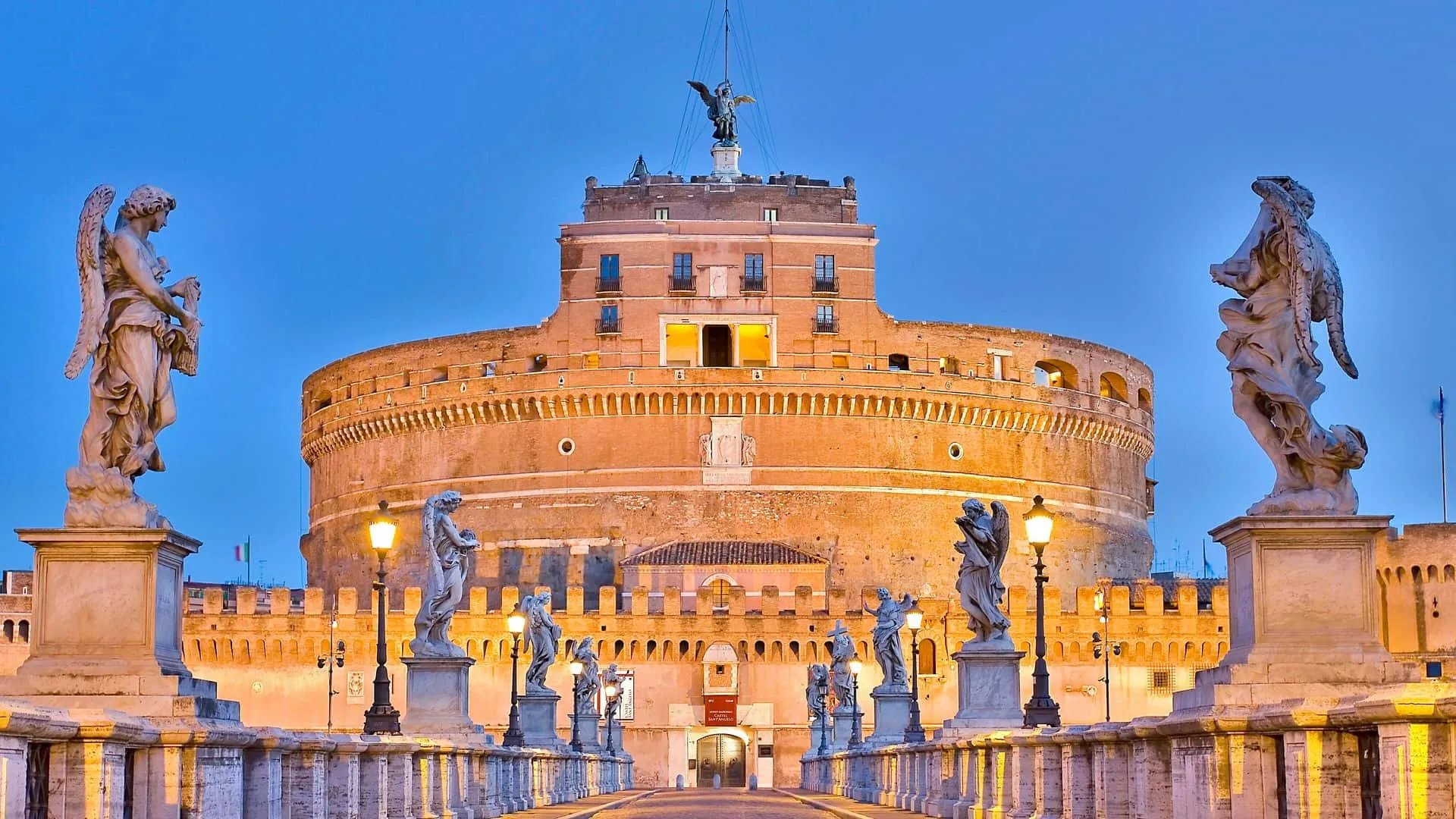
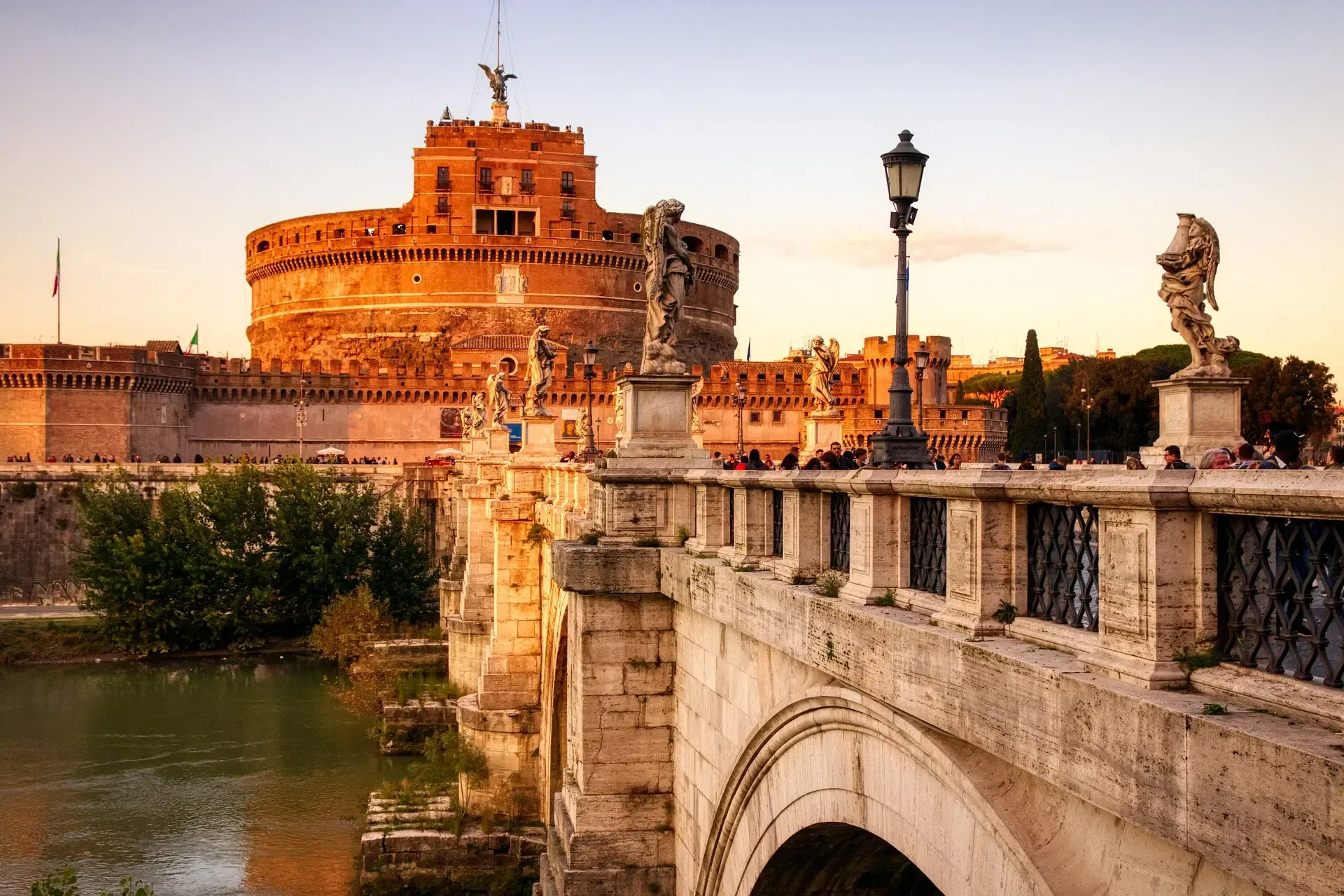
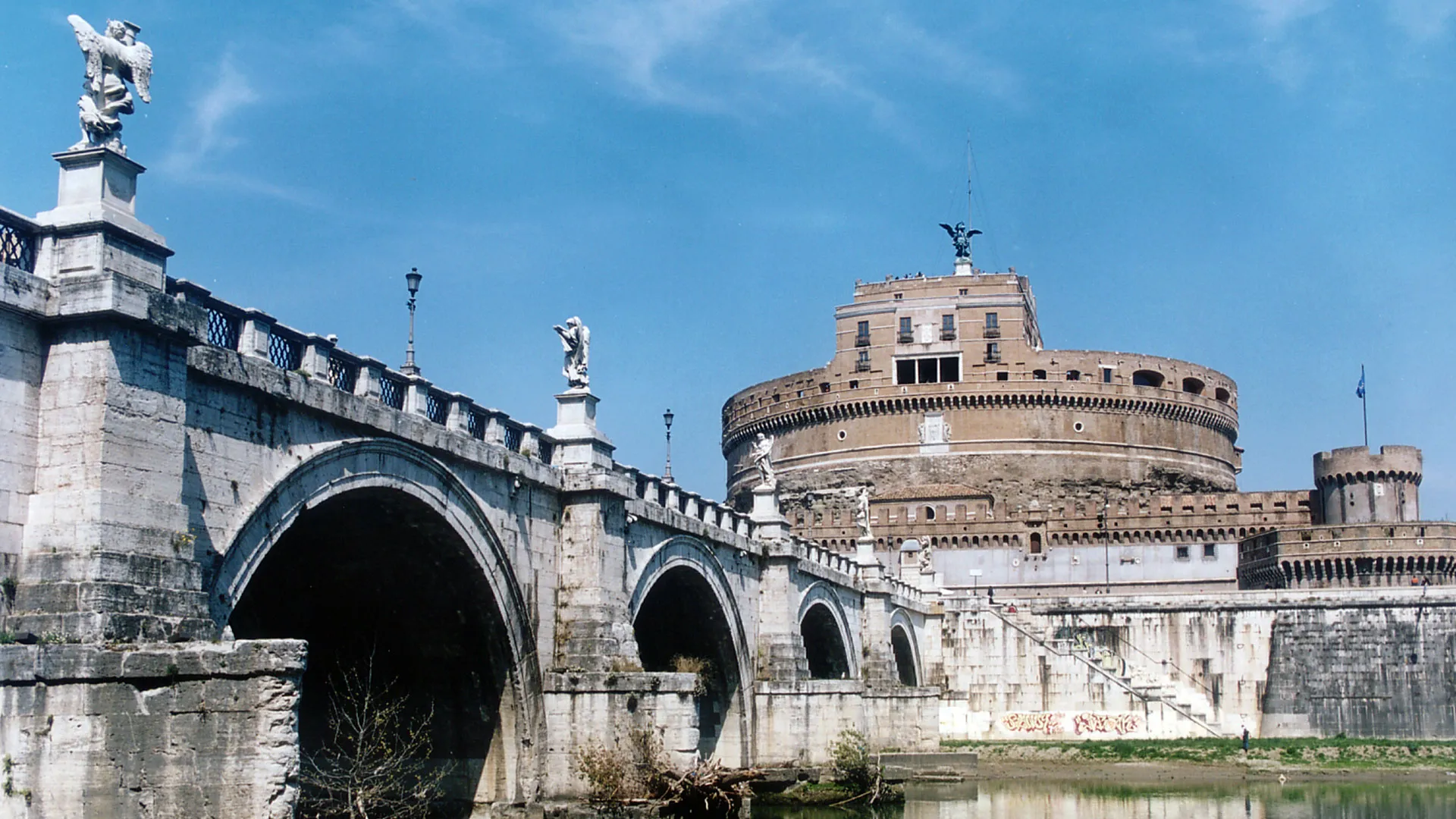
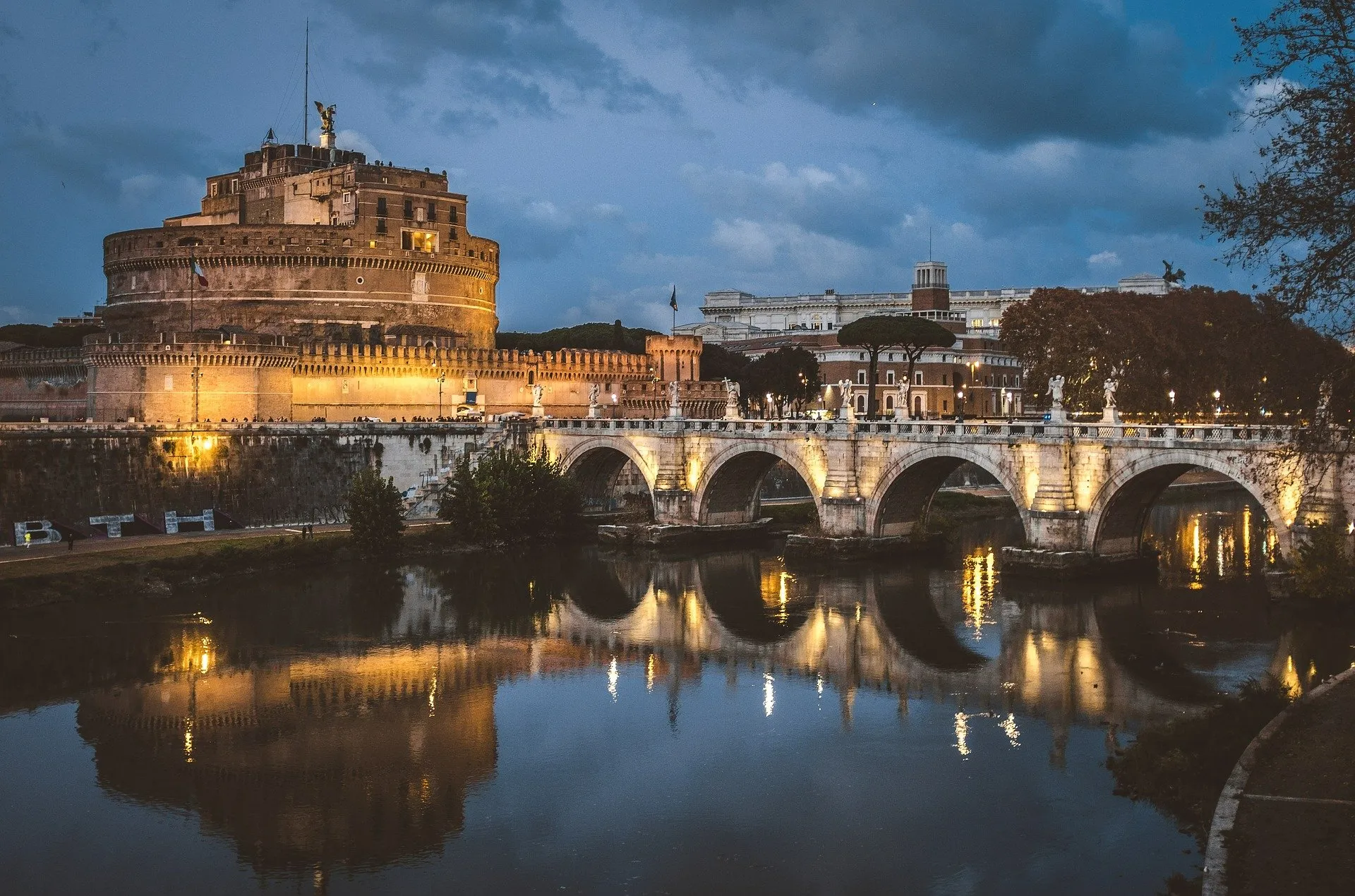
From Imperial Mausoleum to Papal Stronghold
Castel Sant'Angelo began in the second century as Emperor Hadrian's dynastic mausoleum.
Incorporated into Rome's defenses in late antiquity, it later became a papal fortress, residence, prison, barracks, and finally a national museum.
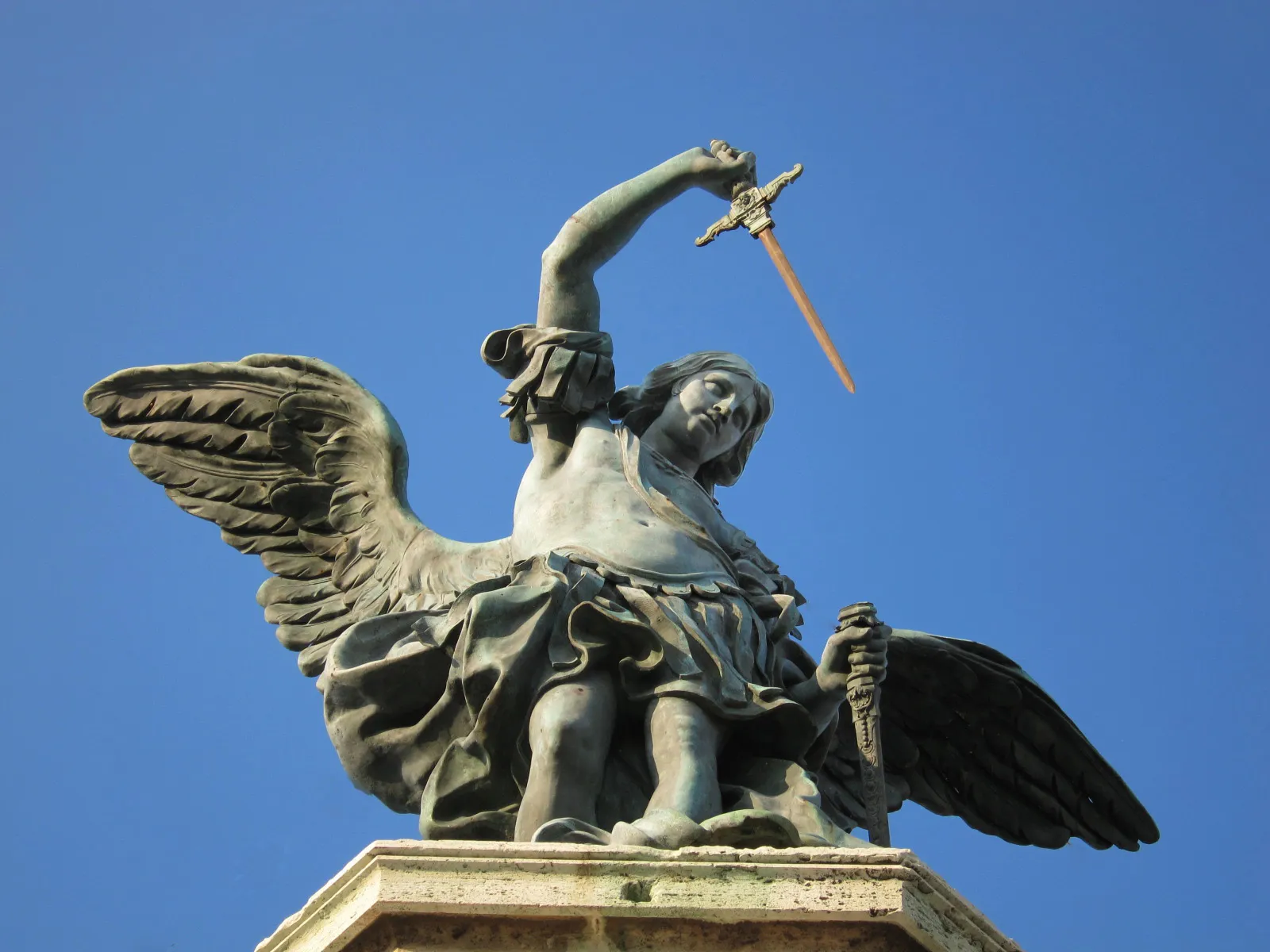
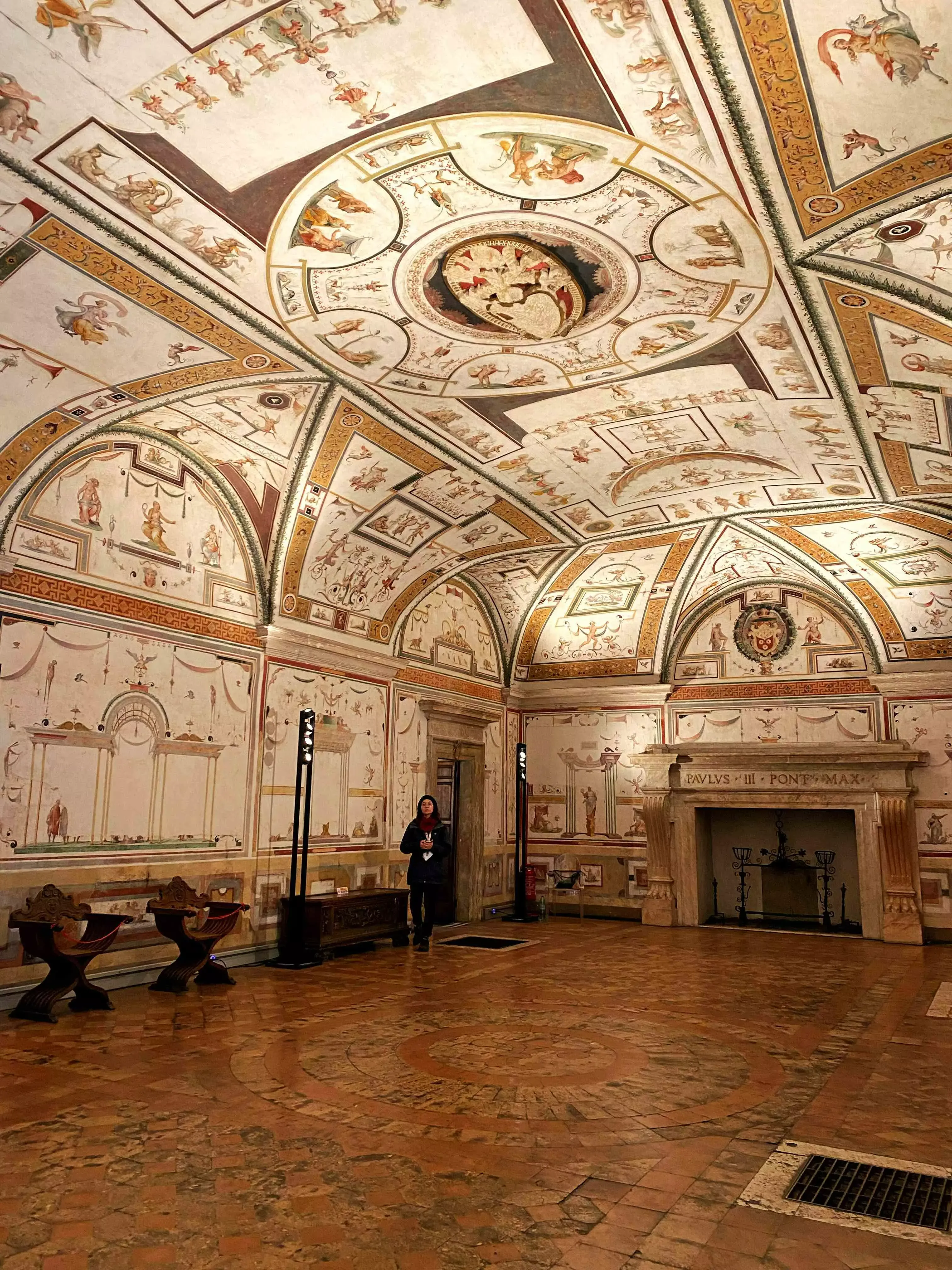
The visit reveals these layers in sequence: the ancient entrance passage and spiral ramp, medieval defensive spaces, Renaissance courtyards and frescoed rooms, historic collections, and the upper terrace crowned by the Archangel Michael.
Its location beside Ponte Sant'Angelo also makes it a natural link between central Rome and the Vatican district..
Castel Sant'Angelo Visiting timetable
Normally open Tuesday to Sunday, 9:00–19:30, with last admission at 18:30; check official notices for exceptional openings
Castel Sant'Angelo Closing Days
Normally closed Mondays, 1 January, and 25 December, except for announced special openings
Where is Located
Lungotevere Castello, 50, 00193 Roma RM, Italy
How to Get to Castel Sant'Angelo
The castle stands on the right bank of the Tiber, opposite Ponte Sant'Angelo and within walking distance of St Peter's Square and Piazza Navona.
By Train
From Roma San Pietro station, continue by local bus or walk for roughly 25–30 minutes. From Termini, metro and bus connections are generally more practical than a direct train.
By Car
Driving in central Rome involves restricted-traffic zones and limited parking. Use a legal public garage outside the immediate riverfront area and confirm ZTL rules before travelling.
By Bus
Several city buses serve stops around Piazza Pia, Ponte Vittorio Emanuele II, and Lungotevere. Check ATAC's live journey planner because routes can change during roadworks and major events.
On Foot
Walk across Ponte Sant'Angelo from the historic centre, or follow Via della Conciliazione from St Peter's Square. The riverside approach gives the clearest view of the cylindrical monument.
Highlights of Castel Sant'Angelo
Explore Hadrian's ancient funerary core, the decorated papal apartments, and the upper terraces overlooking Rome and St Peter's Basilica.
Castel Sant'Angelo
Hadrian's Mausoleum and Spiral Ramp
The lower route preserves the building's Roman logic. Follow the dromos and broad helical ramp that once led towards the imperial burial chamber.
Papal Apartments and Courtyards
Renaissance popes transformed the fortress into a residence. Look for frescoed rooms, ceremonial spaces, courtyards, and defensive architecture built around the ancient core.
Angel Terrace and Rome Views
The rooftop terrace opens towards the Tiber, historic Rome, and St Peter's dome, beneath the bronze figure of the Archangel Michael.
Castel Sant'Angelo Essentials
Quick answers about tickets, visit length, access, and the monument's changing role in Roman history.
Choose a Castel Sant'Angelo ticket
Visit a monument that brings Roman imperial, medieval, papal, military, and museum history into one continuous route.
Check inclusions, cancellation terms, and whether a guided Passetto visit is part of the product before booking.