Castel Sant'Angelo: Mausoleum, Fortress, Museum
How an imperial tomb beside the Tiber became one of Rome's most adaptable monuments.
Table of Contents
Hadrian's Imperial Mausoleum
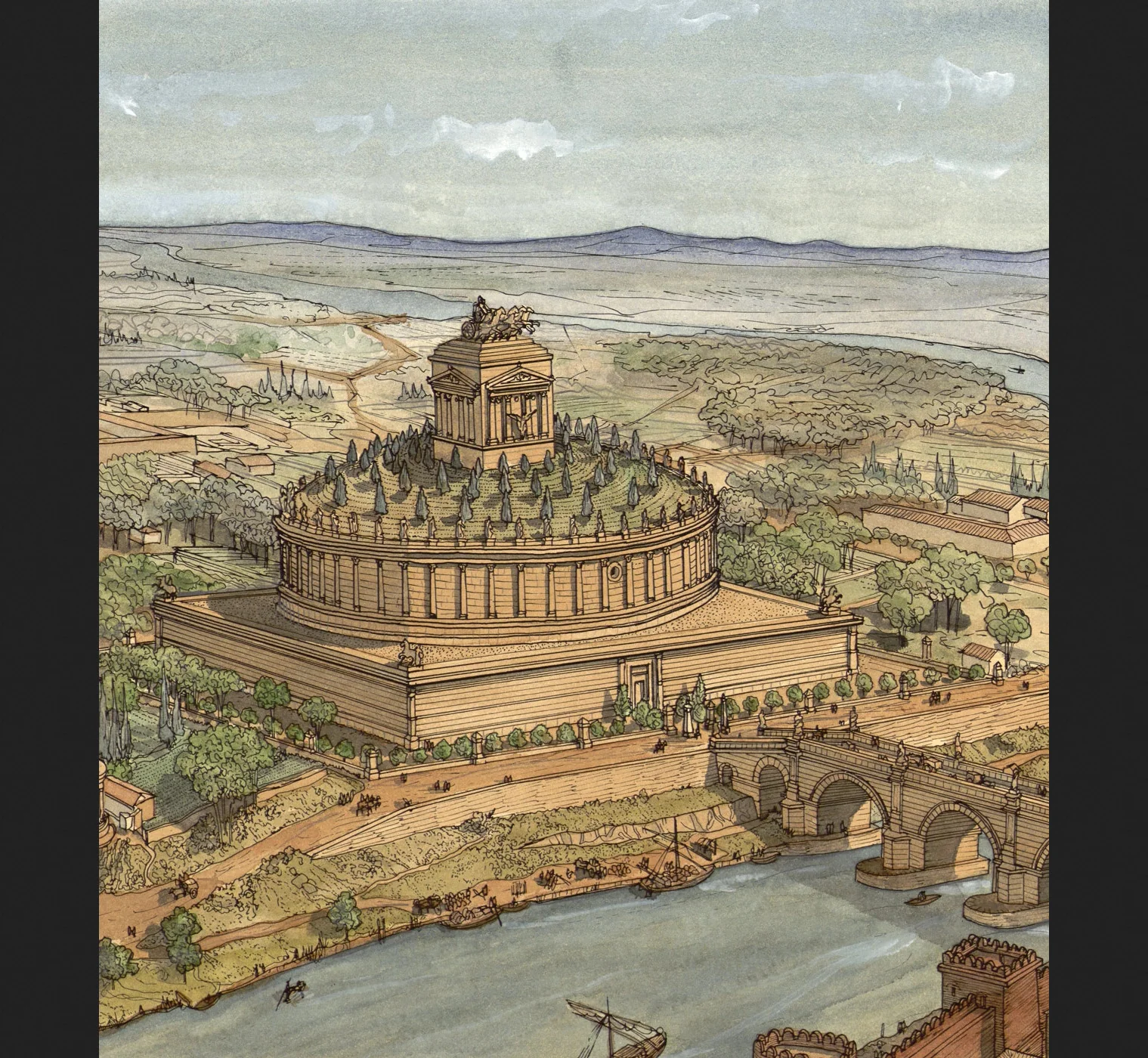
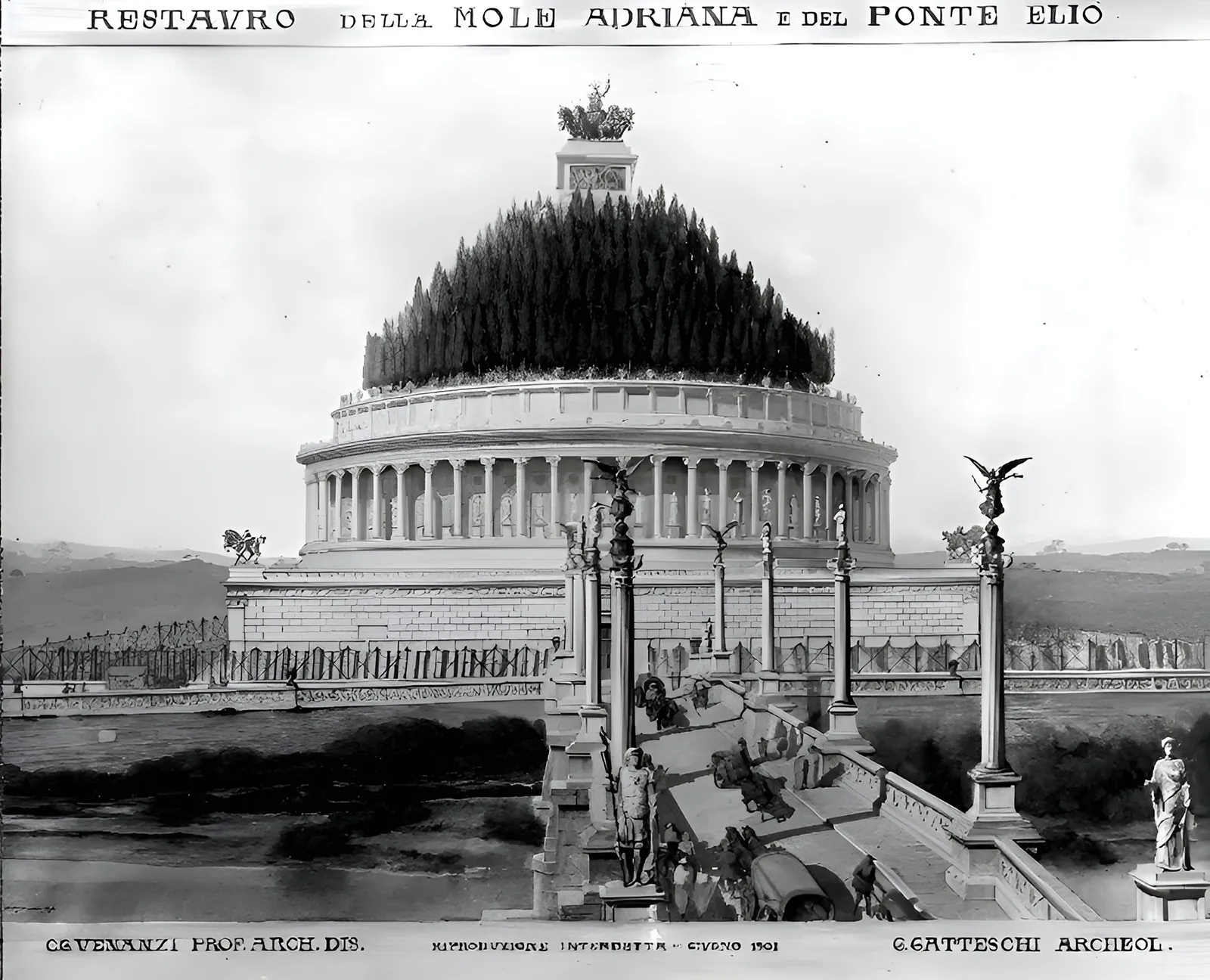
Emperor Hadrian commissioned the mausoleum around AD 123 as a dynastic tomb on the right bank of the Tiber. It stood outside the dense ancient city but faced it across a purpose-built bridge, the Pons Aelius.
Completed after Hadrian's death in AD 138, the monument received his remains and those of later emperors and imperial relatives. Its immense cylindrical core still determines the castle's form despite centuries of additions.
Design and Funerary Route
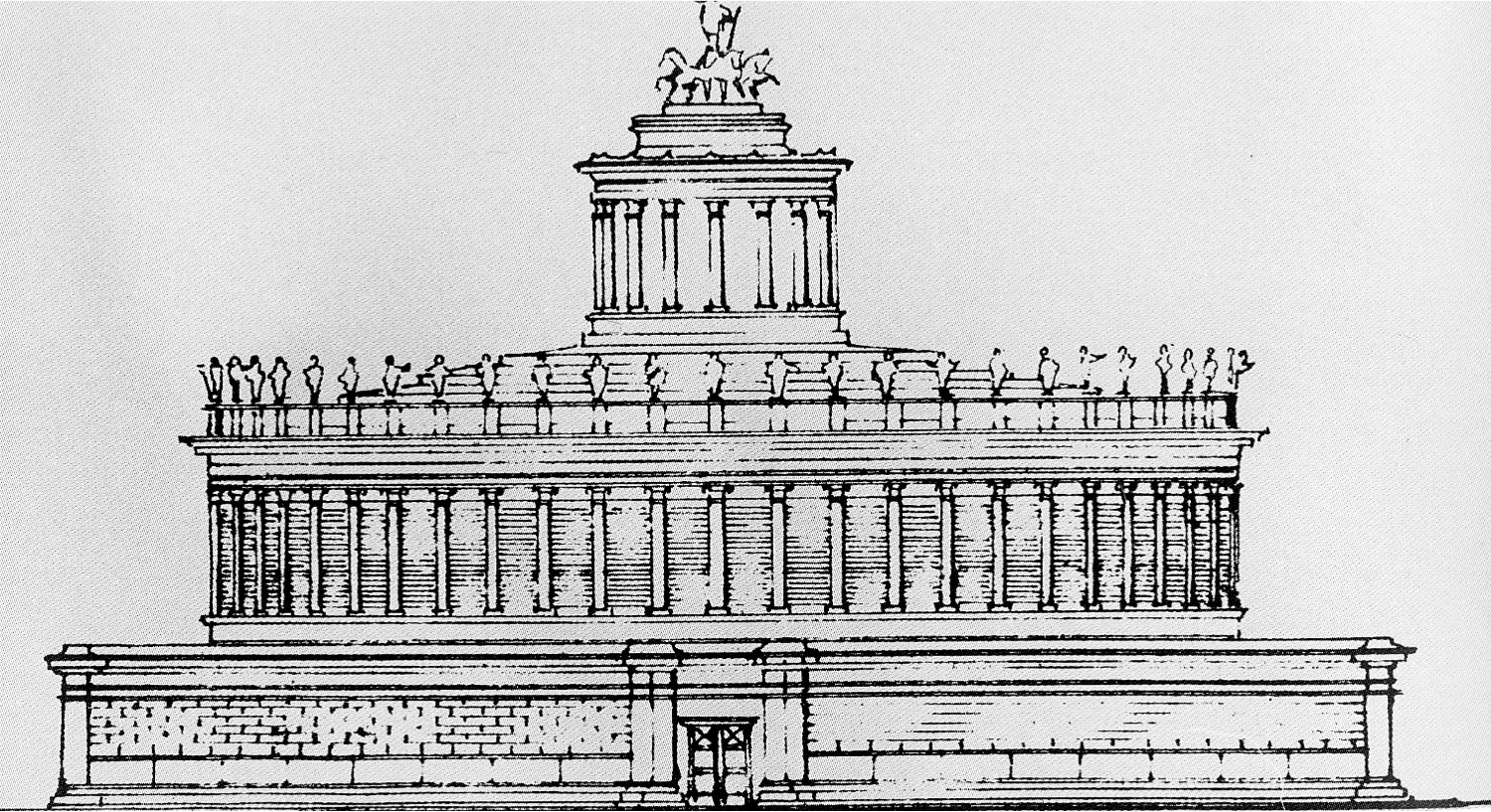
The ancient complex combined a square base, a great drum, and an upper monument whose original appearance is reconstructed from archaeological evidence rather than preserved intact. Stone and sculpture were reused or lost as Rome changed.
Visitors still experience the ceremonial movement designed into the tomb: an entrance corridor leads to a broad spiral ramp rising within the masonry towards the central burial spaces.
From Tomb to Fortress
By late antiquity the mausoleum had been incorporated into Rome's defensive system. Its massive construction and control of a key bridge made it a natural strongpoint during sieges and political conflict.
Medieval factions competed for it, adding walls, towers, and internal defenses. The change from memorial to military structure preserved the core while radically changing its purpose.
The Archangel and a New Name
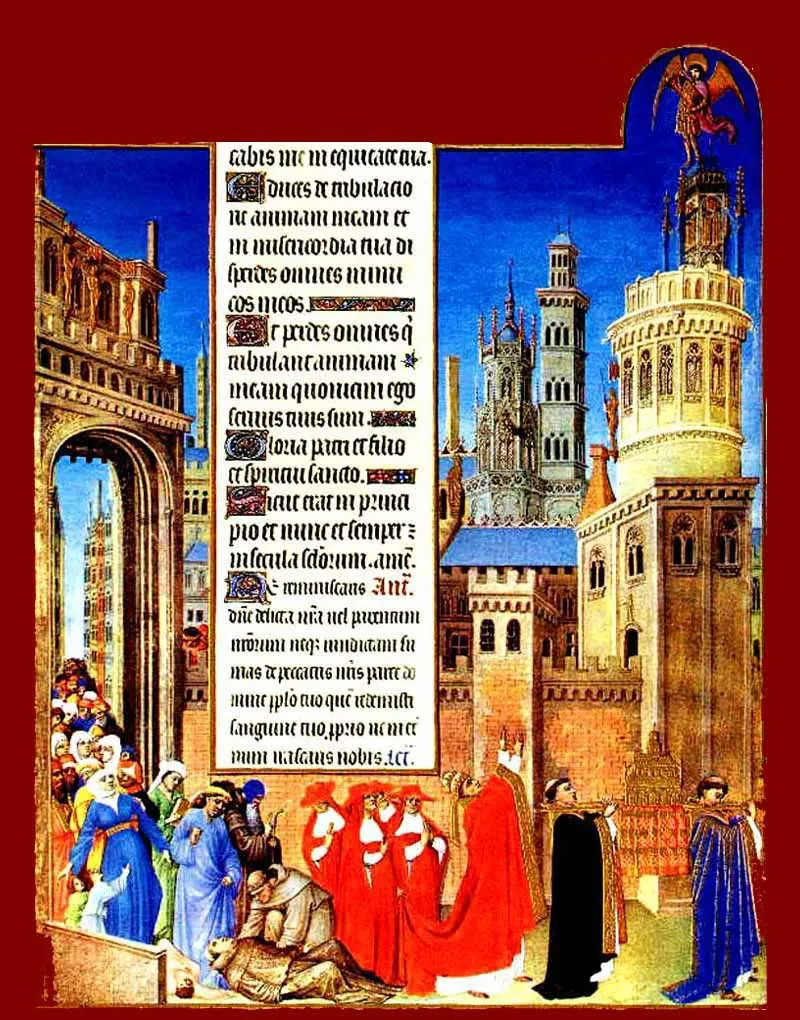
A medieval tradition links the site to Pope Gregory I's procession during the plague of 590. The pope was said to have seen the Archangel Michael sheathing his sword above the mausoleum, signalling the epidemic's end.
The story gave the monument its enduring Christian identity and inspired successive angel statues on the summit. The present bronze figure is an eighteenth-century work by Peter Anton von Verschaffelt.
The Papacy Takes Control
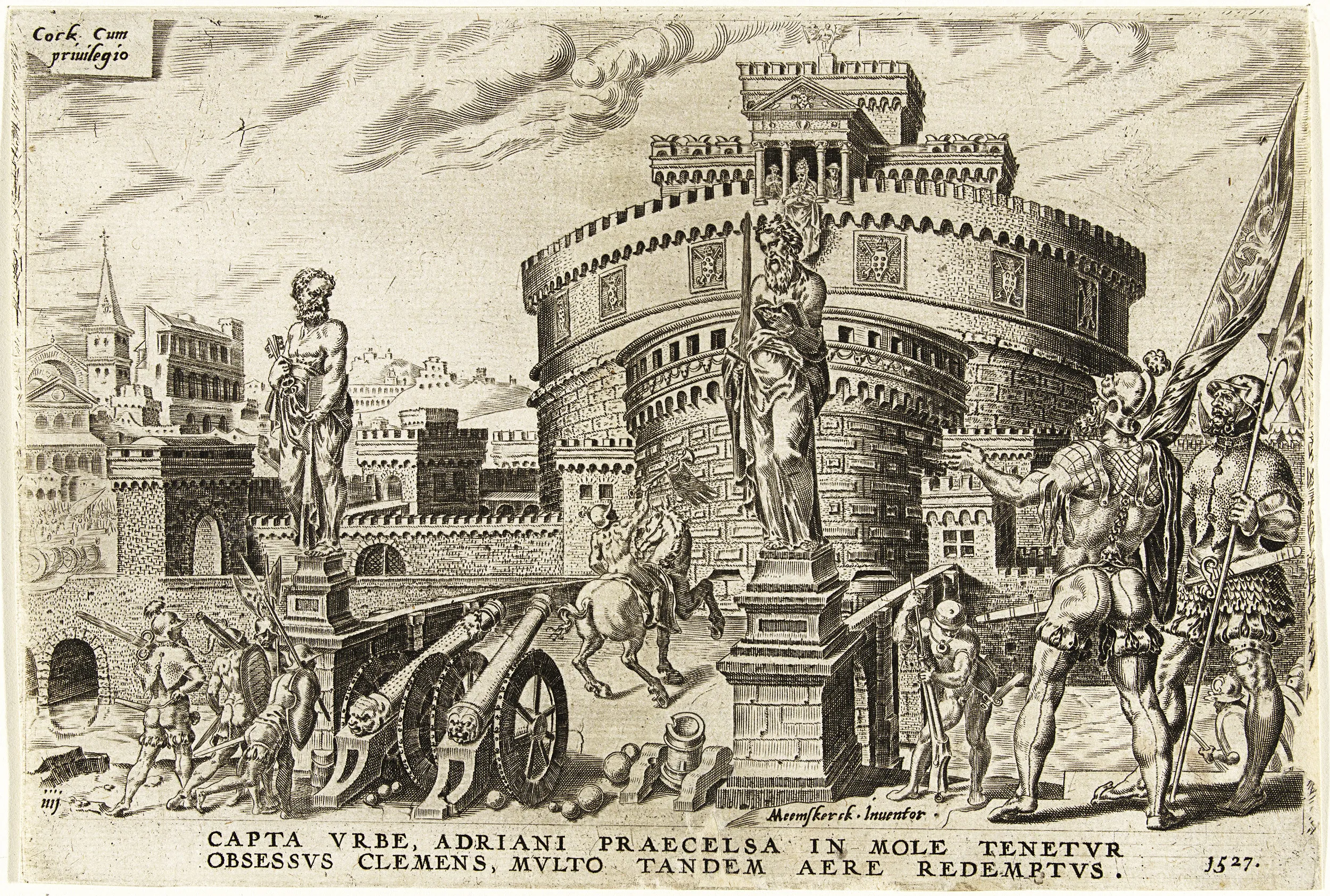
Its proximity to St Peter's made the fortress essential to papal security. In 1367 its keys were delivered to Pope Urban V, strengthening the connection between the castle and the returning papal court.
Later popes expanded the bastions, storerooms, passages, and residential quarters. The building became both a refuge in emergencies and a visible statement of temporal power.
Passetto di Borgo
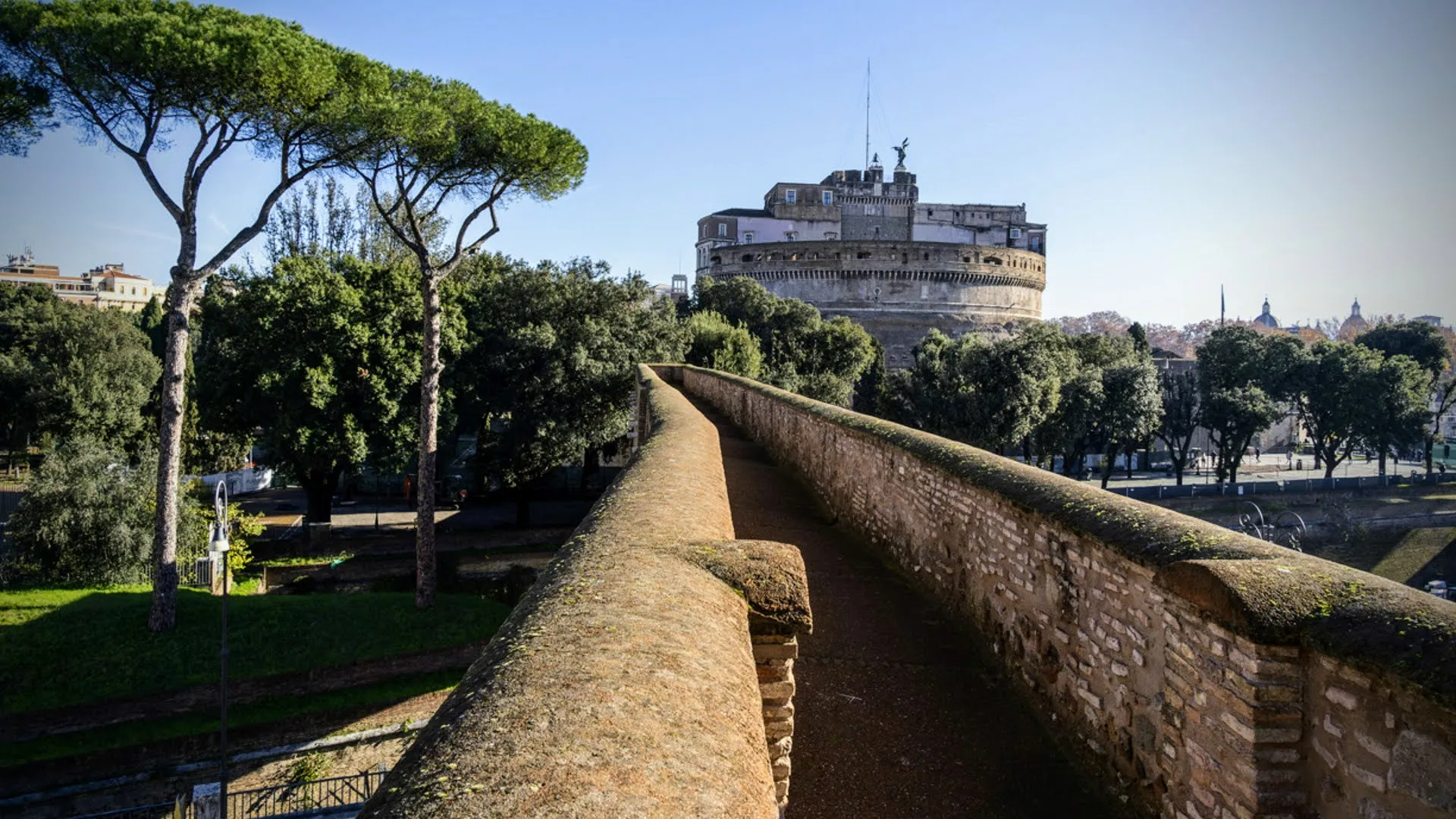
The Passetto di Borgo is the elevated fortified corridor linking the Vatican area with Castel Sant'Angelo. It offered a protected escape route when the pope's position became dangerous.
Its best-known use came during the Sack of Rome in 1527, when Pope Clement VII reached the castle for safety. Today it is accessible only through designated guided visits rather than ordinary unrestricted entry.
Renaissance Papal Residence
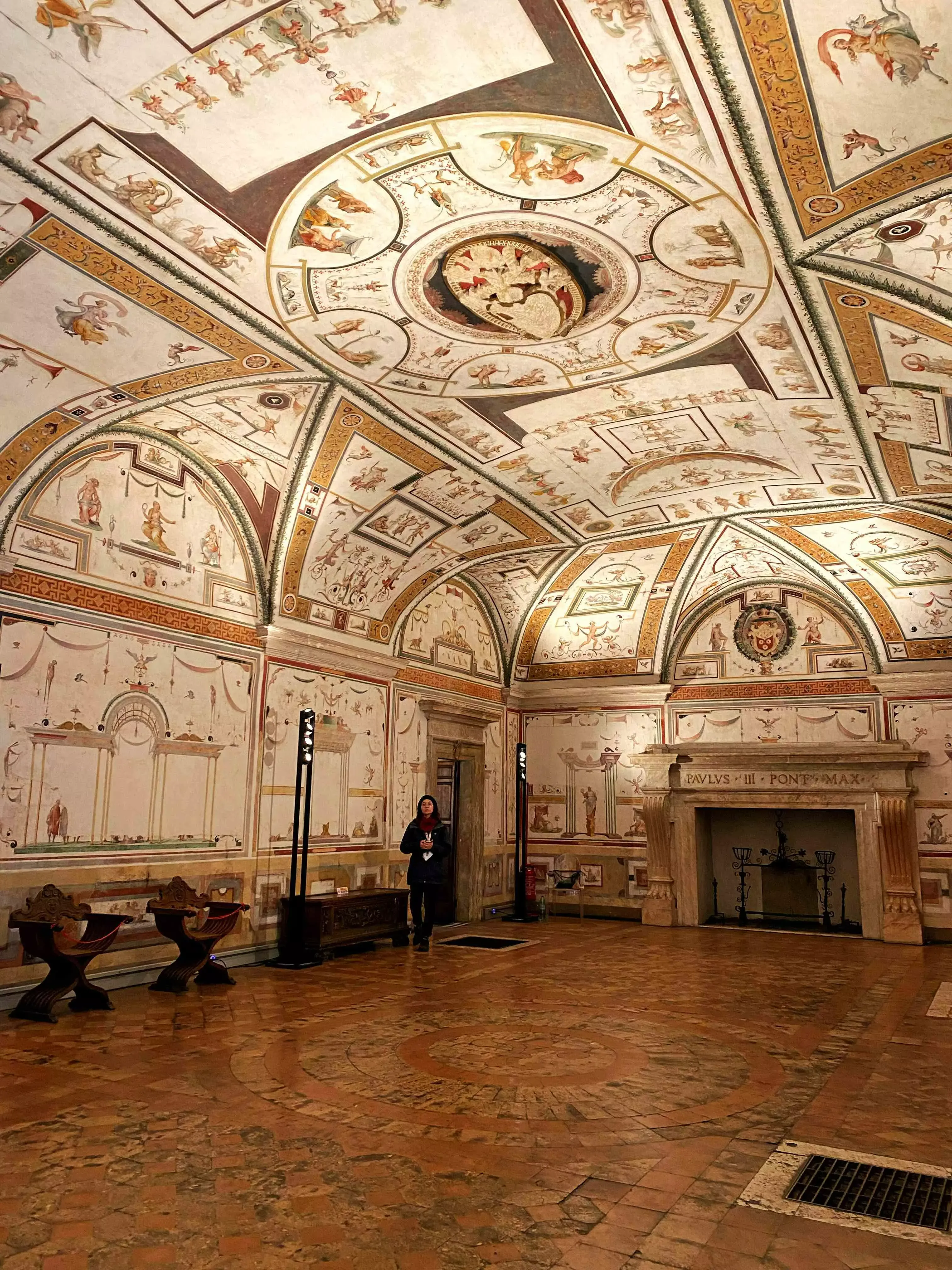
The fortress also had to function as a courtly residence. Renaissance popes commissioned apartments, loggias, chapels, and reception rooms that contrast with the severe defensive exterior.
Under Pope Paul III Farnese in the sixteenth century, the papal residence reached particular splendour. Decoration helped present the castle as a place of authority, culture, and ceremony as well as refuge.
Frescoes, Courts, and Collections
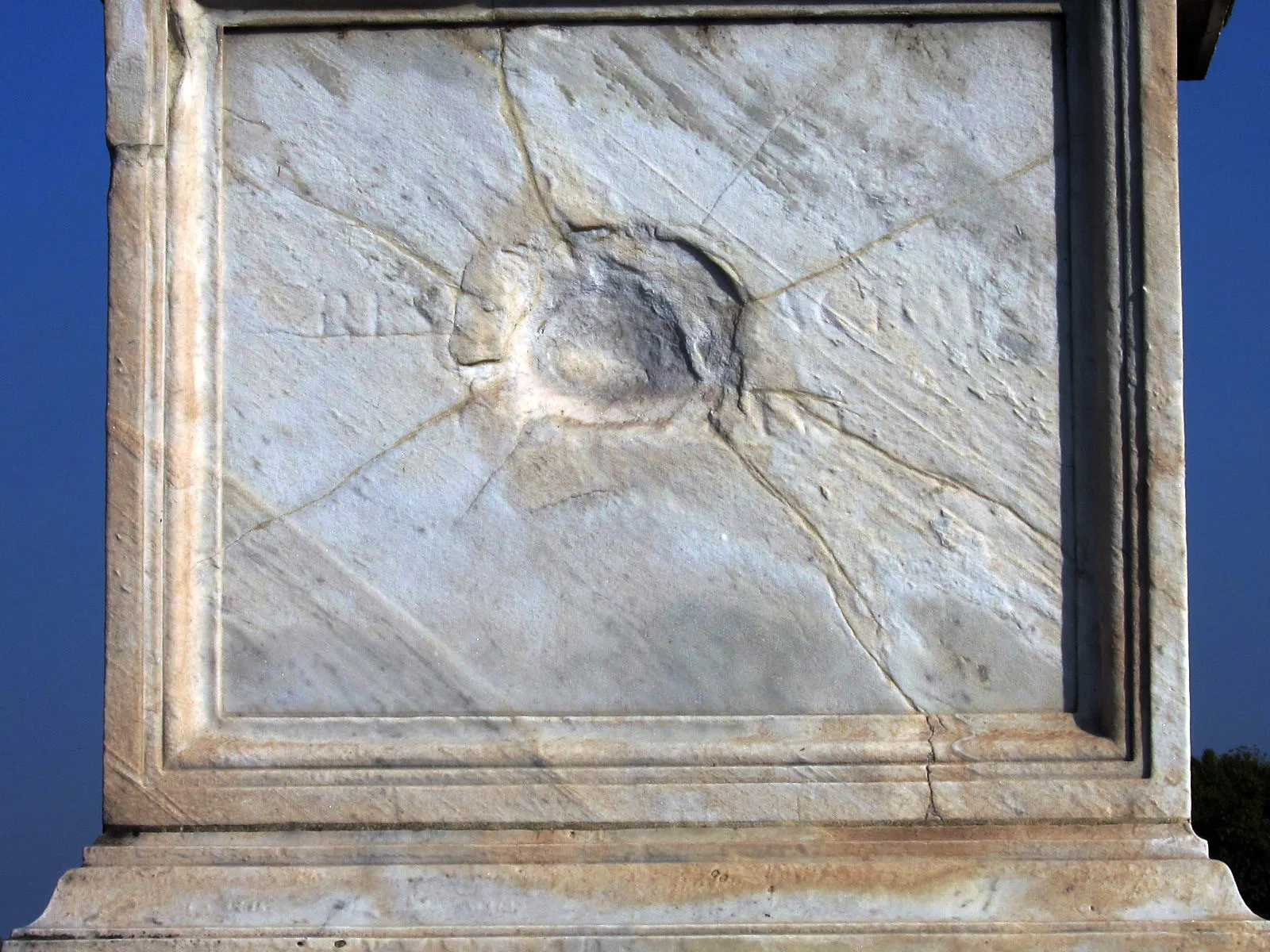
Rooms associated with the papal apartments preserve Renaissance decorative programs, while courtyards organize movement between the ancient core, defensive perimeter, and upper residence.
The museum collections include paintings, sculpture, arms, ceramics, and objects connected with the building's long history. Their value lies in helping visitors read the changing functions of the monument.
Prison and Political Power
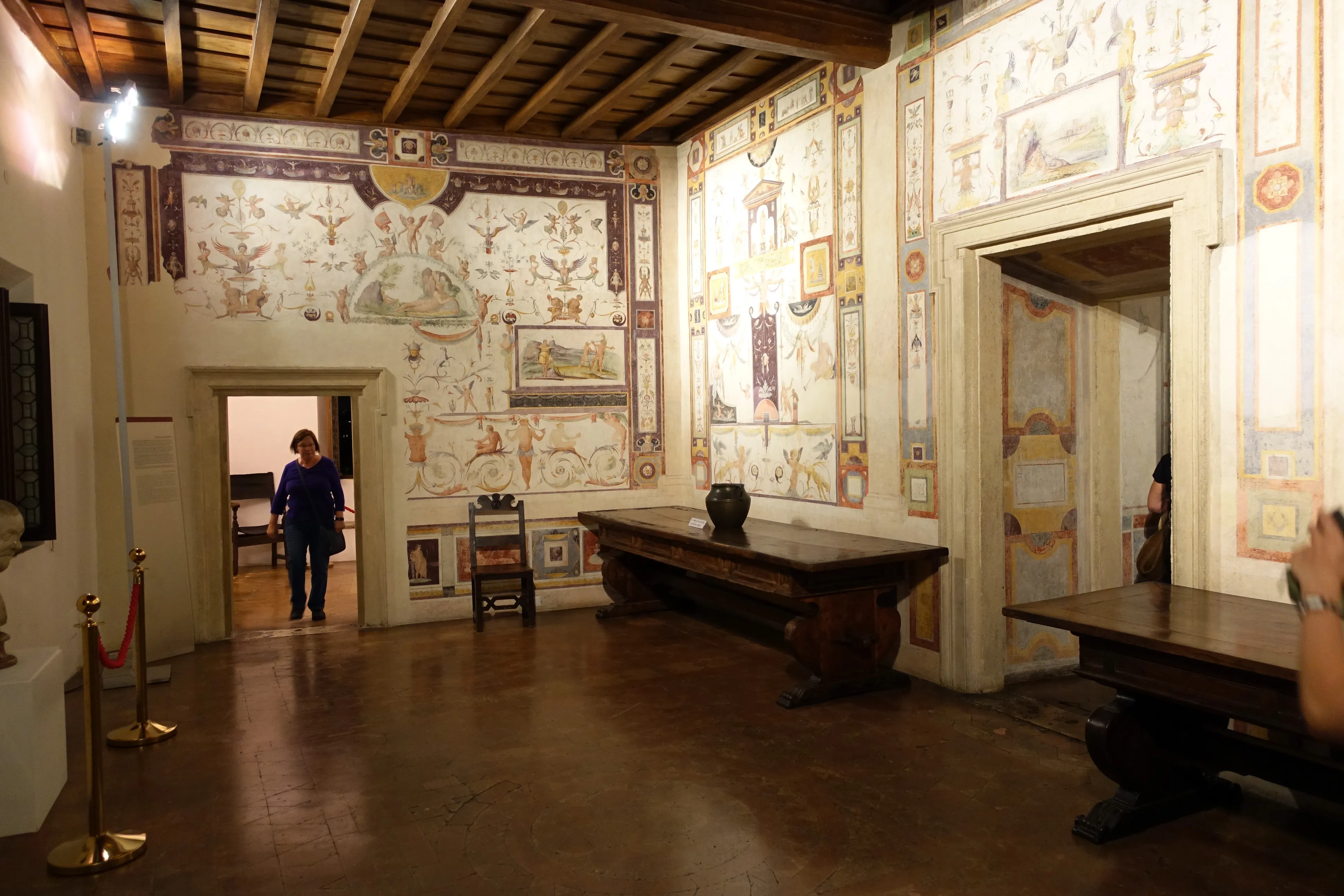
Castel Sant'Angelo also served as a prison, especially as its role as a regular papal residence declined from the seventeenth century. Confinement here was inseparable from the fortress's political symbolism.
Figures associated with its prison history include the sculptor and goldsmith Benvenuto Cellini. Surviving spaces and records reveal a harsher layer beneath the decorated apartments and celebrated views.
The Angel Above the Castle
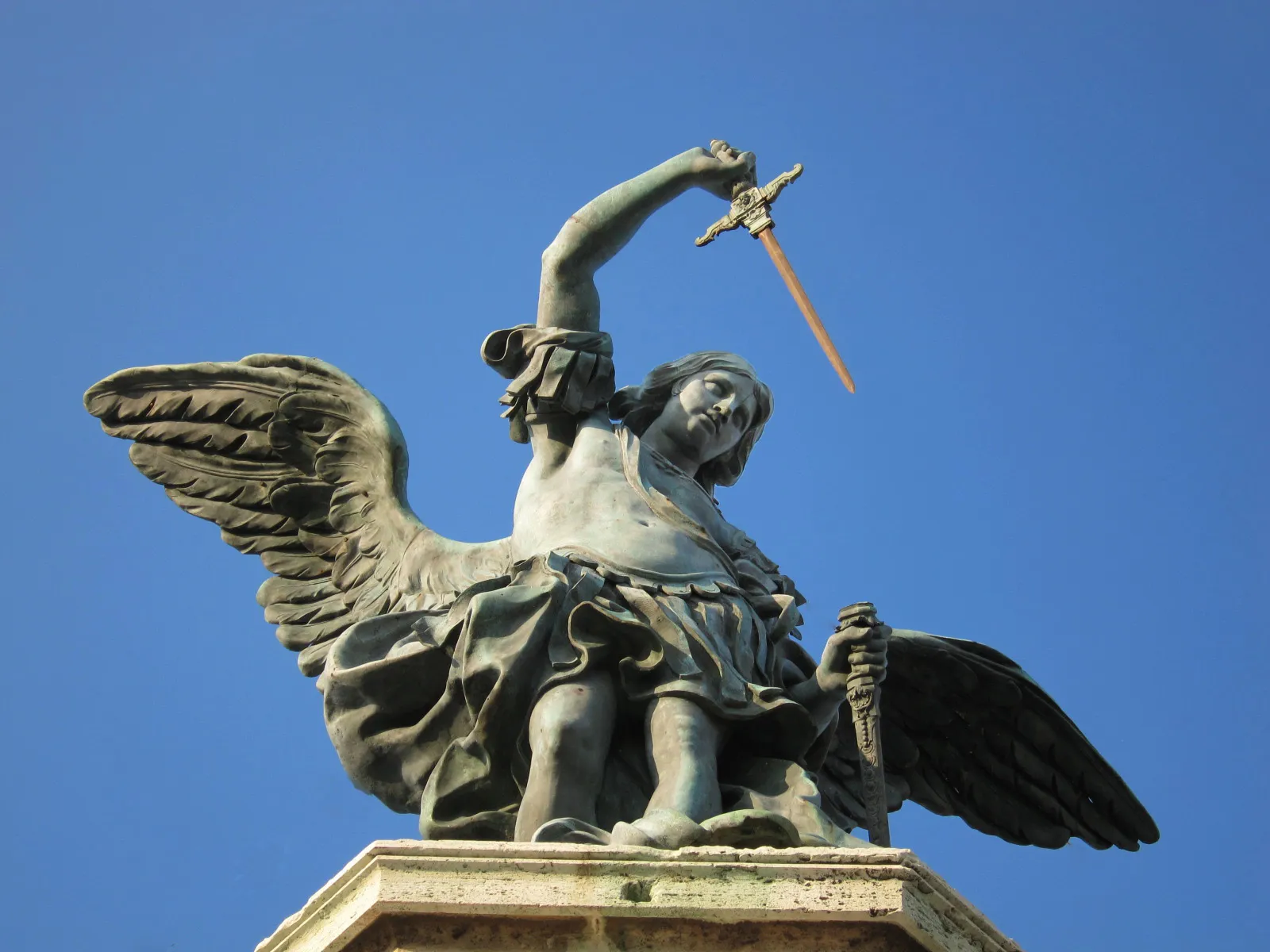
Several statues of the Archangel Michael succeeded one another on the summit. Weather, warfare, and changing artistic ambitions repeatedly altered this defining feature of the skyline.
The current bronze angel, installed in the eighteenth century, stands above the panoramic terrace. It turns the plague legend into the visual emblem by which the monument is recognized today.
From Italian State to Museum
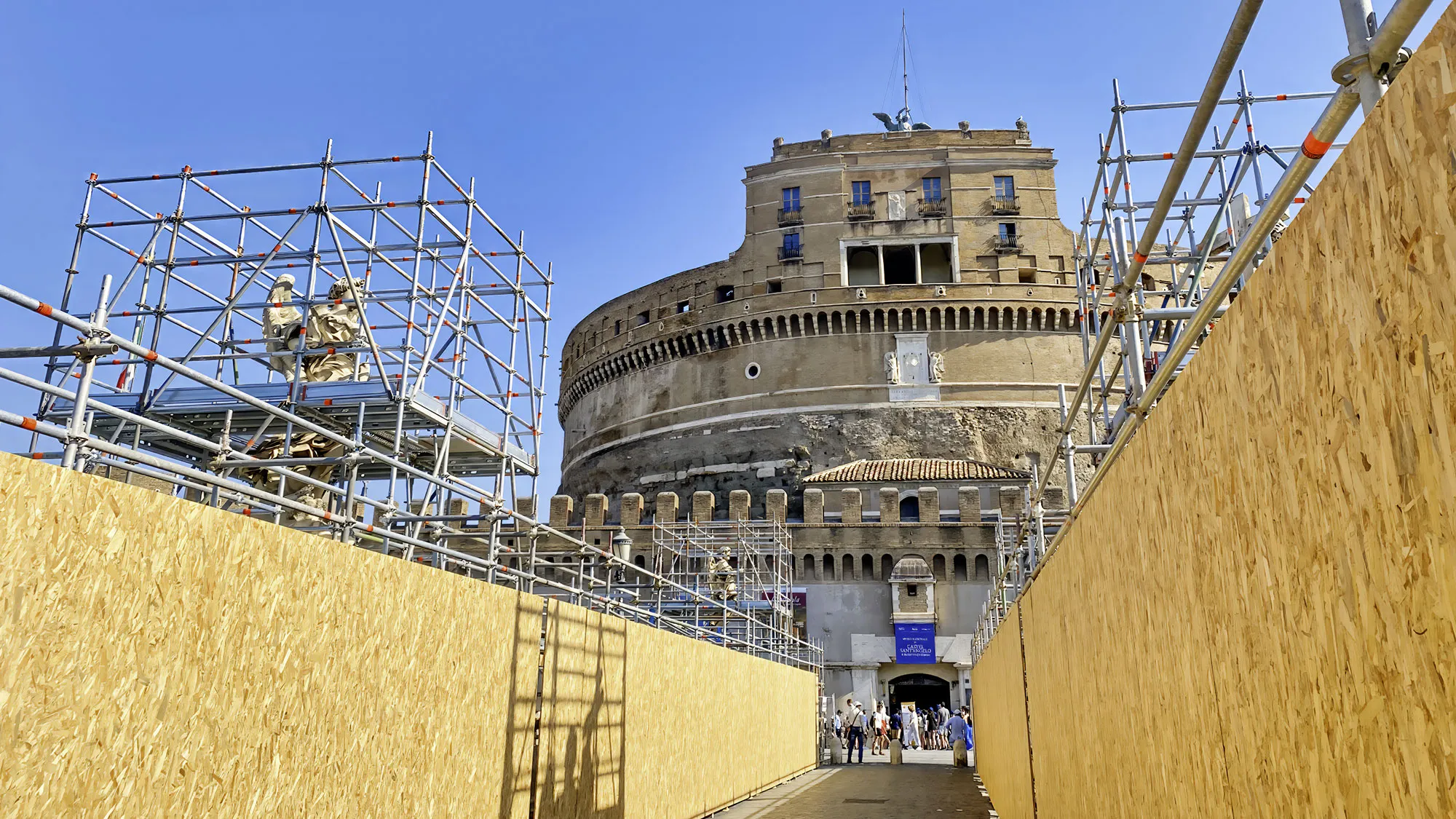
After Rome became part of the Kingdom of Italy in 1870, the castle entered state ownership and served as a military prison and barracks. Restoration and reorganization gradually reframed it as heritage.
Castel Sant'Angelo became a national museum in 1925. Its displays and route now interpret the building itself as the principal object: an accumulation of Roman, medieval, papal, and modern phases.
Ponte Sant'Angelo and the City
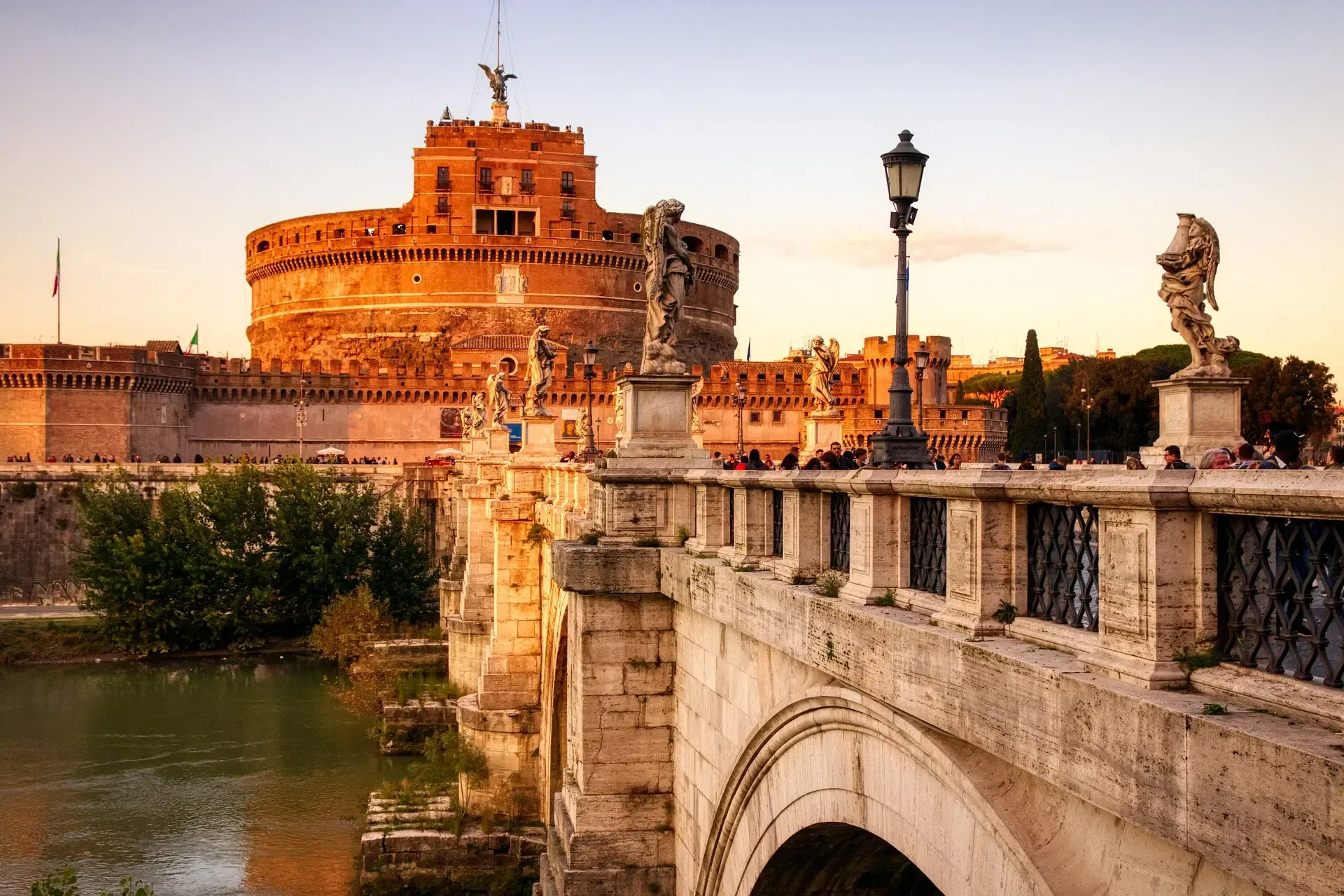
Hadrian's bridge established the monument's relationship with the city. The present Ponte Sant'Angelo preserves the ancient crossing and is lined with Baroque angel sculptures designed within Bernini's artistic program.
The bridge frames the castle as a destination while connecting routes from the historic centre to Borgo and the Vatican. Its ceremonial and strategic roles have evolved alongside the monument.
Reading the Monument Today
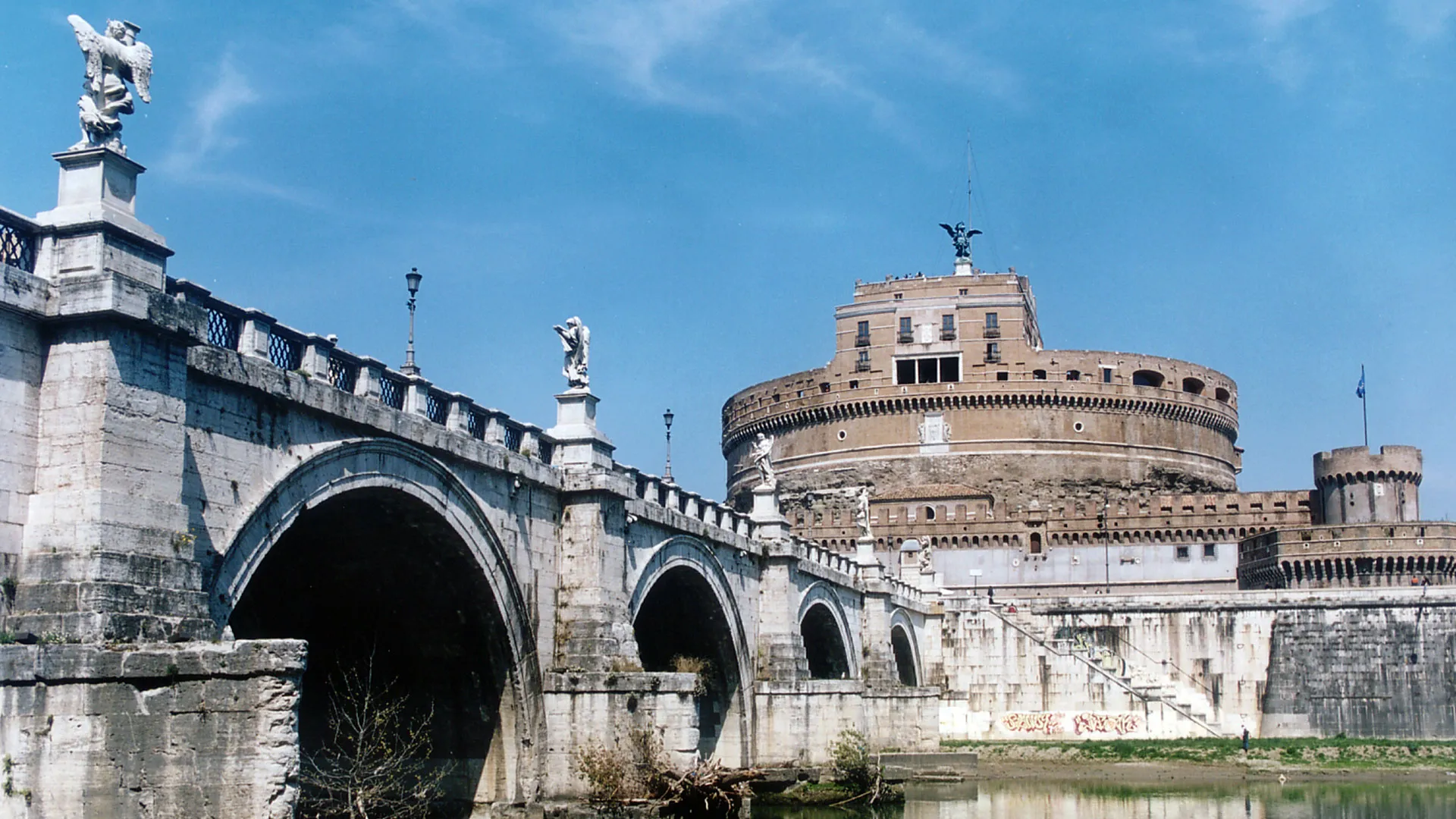
Castel Sant'Angelo is not a building from one period. Its ancient drum, medieval defenses, Renaissance rooms, prison spaces, military adaptations, and museum displays coexist and sometimes interrupt one another.
Following the route from the enclosed Roman ramp to the open terrace makes that transformation physically clear. The climb is a timeline through the changing institutions that shaped Rome.
Table of Contents
Hadrian's Imperial Mausoleum
Emperor Hadrian commissioned the mausoleum around AD 123 as a dynastic tomb on the right bank of the Tiber. It stood outside the dense ancient city but faced it across a purpose-built bridge, the Pons Aelius.
Completed after Hadrian's death in AD 138, the monument received his remains and those of later emperors and imperial relatives. Its immense cylindrical core still determines the castle's form despite centuries of additions.
Design and Funerary Route
The ancient complex combined a square base, a great drum, and an upper monument whose original appearance is reconstructed from archaeological evidence rather than preserved intact. Stone and sculpture were reused or lost as Rome changed.
Visitors still experience the ceremonial movement designed into the tomb: an entrance corridor leads to a broad spiral ramp rising within the masonry towards the central burial spaces.
From Tomb to Fortress
By late antiquity the mausoleum had been incorporated into Rome's defensive system. Its massive construction and control of a key bridge made it a natural strongpoint during sieges and political conflict.
Medieval factions competed for it, adding walls, towers, and internal defenses. The change from memorial to military structure preserved the core while radically changing its purpose.
The Archangel and a New Name
A medieval tradition links the site to Pope Gregory I's procession during the plague of 590. The pope was said to have seen the Archangel Michael sheathing his sword above the mausoleum, signalling the epidemic's end.
The story gave the monument its enduring Christian identity and inspired successive angel statues on the summit. The present bronze figure is an eighteenth-century work by Peter Anton von Verschaffelt.
The Papacy Takes Control
Its proximity to St Peter's made the fortress essential to papal security. In 1367 its keys were delivered to Pope Urban V, strengthening the connection between the castle and the returning papal court.
Later popes expanded the bastions, storerooms, passages, and residential quarters. The building became both a refuge in emergencies and a visible statement of temporal power.
Passetto di Borgo
The Passetto di Borgo is the elevated fortified corridor linking the Vatican area with Castel Sant'Angelo. It offered a protected escape route when the pope's position became dangerous.
Its best-known use came during the Sack of Rome in 1527, when Pope Clement VII reached the castle for safety. Today it is accessible only through designated guided visits rather than ordinary unrestricted entry.
Renaissance Papal Residence
The fortress also had to function as a courtly residence. Renaissance popes commissioned apartments, loggias, chapels, and reception rooms that contrast with the severe defensive exterior.
Under Pope Paul III Farnese in the sixteenth century, the papal residence reached particular splendour. Decoration helped present the castle as a place of authority, culture, and ceremony as well as refuge.
Frescoes, Courts, and Collections
Rooms associated with the papal apartments preserve Renaissance decorative programs, while courtyards organize movement between the ancient core, defensive perimeter, and upper residence.
The museum collections include paintings, sculpture, arms, ceramics, and objects connected with the building's long history. Their value lies in helping visitors read the changing functions of the monument.
Prison and Political Power
Castel Sant'Angelo also served as a prison, especially as its role as a regular papal residence declined from the seventeenth century. Confinement here was inseparable from the fortress's political symbolism.
Figures associated with its prison history include the sculptor and goldsmith Benvenuto Cellini. Surviving spaces and records reveal a harsher layer beneath the decorated apartments and celebrated views.
The Angel Above the Castle
Several statues of the Archangel Michael succeeded one another on the summit. Weather, warfare, and changing artistic ambitions repeatedly altered this defining feature of the skyline.
The current bronze angel, installed in the eighteenth century, stands above the panoramic terrace. It turns the plague legend into the visual emblem by which the monument is recognized today.
From Italian State to Museum
After Rome became part of the Kingdom of Italy in 1870, the castle entered state ownership and served as a military prison and barracks. Restoration and reorganization gradually reframed it as heritage.
Castel Sant'Angelo became a national museum in 1925. Its displays and route now interpret the building itself as the principal object: an accumulation of Roman, medieval, papal, and modern phases.
Ponte Sant'Angelo and the City
Hadrian's bridge established the monument's relationship with the city. The present Ponte Sant'Angelo preserves the ancient crossing and is lined with Baroque angel sculptures designed within Bernini's artistic program.
The bridge frames the castle as a destination while connecting routes from the historic centre to Borgo and the Vatican. Its ceremonial and strategic roles have evolved alongside the monument.
Reading the Monument Today
Castel Sant'Angelo is not a building from one period. Its ancient drum, medieval defenses, Renaissance rooms, prison spaces, military adaptations, and museum displays coexist and sometimes interrupt one another.
Following the route from the enclosed Roman ramp to the open terrace makes that transformation physically clear. The climb is a timeline through the changing institutions that shaped Rome.