Archangel Michael Statues – Timeline and Meanings
Six Archangel Michael statues of Castel Sant'Angelo: wood, stone, marble-bronze hybrids, bronze melted for cannon, Montelupo’s survivor, and Verschaffelt’s 1753 bronze.
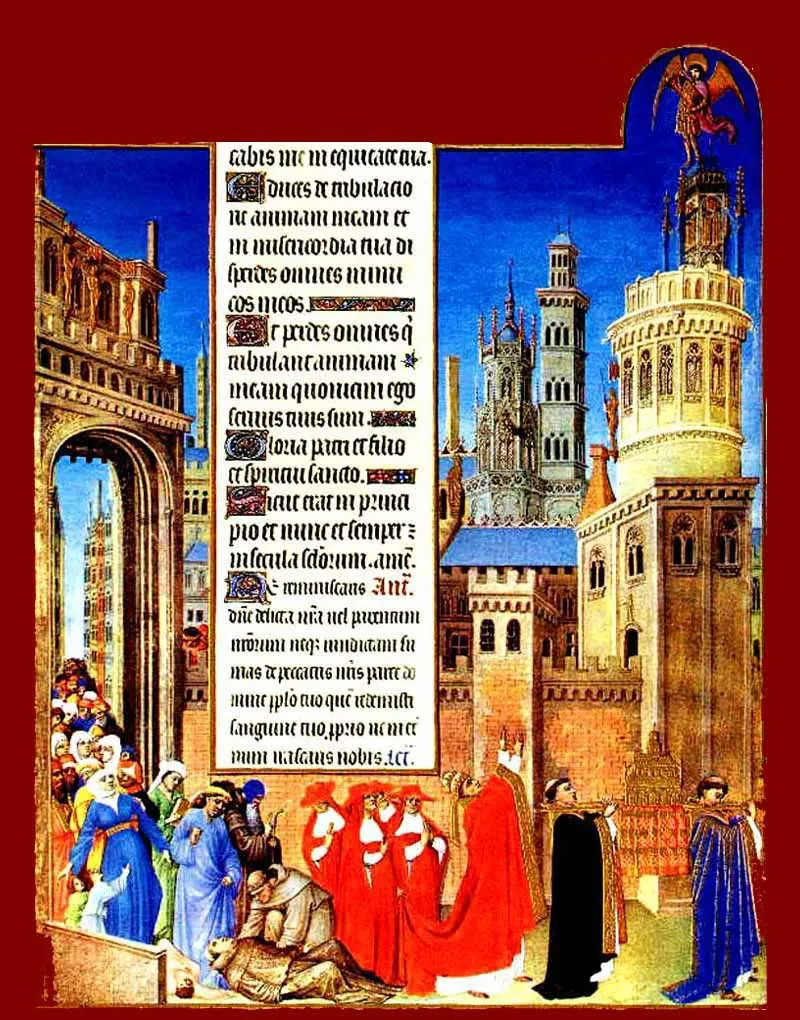
Legend meets logistics: the 590 plague vision justified a new protective name, while centuries of politics and weather re-shaped the angel’s form.
Timeline at a Glance
| # | Period | Material | Fate | Note |
|---|---|---|---|---|
| 1 | Early medieval | Wood | Weathered away | Earliest sanctifying marker |
| 2 | 14th c. | Stone | Destroyed in 1378 unrest | Schism protest turbulence |
| 3 | Early modern | Marble body, bronze wings | Blown off by wind | Iconic but vulnerable hybrid |
| 4 | 1527 era | Bronze | Melted into cannon balls | City under siege, metal repurposed |
| 5 | 1536 | Marble with bronze wings (Montelupo) | Replaced in 1753; now courtyard | Michelangelo’s apprentice |
| 6 | 1753 | Bronze (Verschaffelt) | Current | Sheathing the sword—mercy after wrath |
Reading the Gesture
Sword sheathing reads as mercy granted; atop a fortress, it blends martial imagery with divine restraint.
Where to See Montelupo’s Angel
In the castle courtyard—compare scale, material weathering, and different emotive weight.
Bottom Line
The angels tell a history of materials, crises, and evolving theology—look up, and time condenses into a single gesture.
Về tác giả

Telmo Rolando
Hướng dẫn biên tập độc lập này tóm tắt thông tin chính thức và nguồn lịch sử đáng tin cậy, không tuyên bố liên kết với Castel Sant'Angelo hay Bộ Văn hóa Ý.
Tags
Comments (0)
Loading comments...