Castel Sant'Angelo Prison Cells – Famous Inmates & Carceral History
History of Castel Sant'Angelo prison cells: notable inmates, conditions, surveillance practices, and ethical interpretation of confinement spaces.
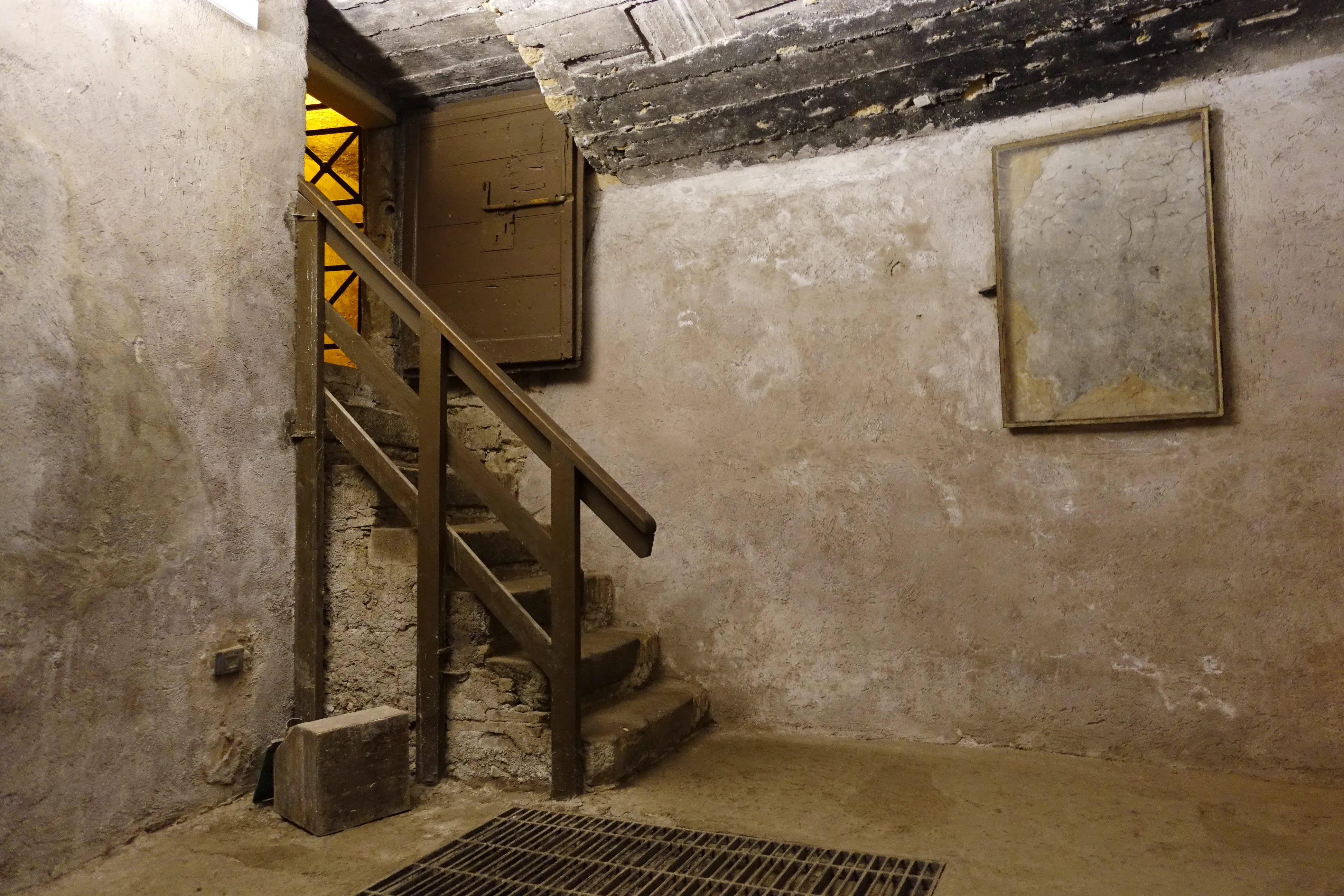
Fortress control extended into the psychological domain: confinement within thick walls symbolized papal juridical reach.
1. Spatial Characteristics
- Narrow light ingress; clerestory slits maintain security.
- Thick walls muffle external sound—heightening isolation.
2. Notable Inmates (Selected)
| Name | Era | Reason / Allegation | Outcome |
|---|---|---|---|
| Benvenuto Cellini (artist) | 16th c. | Conflict / alleged misuse of arms | Escape attempts; later released |
| Giordano Bruno (philosopher) | Pre-trial phases (related sites) | Doctrinal investigation | Transfer; eventual execution elsewhere |
| Political dissidents | Various | Papal state opposition | Varied; some long detentions |
3. Conditions & Control
- Basic furnishing; humidity a challenge.
- Surveillance via guarded ramp checkpoints limiting communication chain.
4. Interpretation Ethics
Presenting carceral past requires balancing intrigue with human dignity—panels increasingly integrate context of judicial evolution.
5. Comparative Lens
Contrast with later secular prisons emphasizing bureaucratic classification; here symbolic containment reinforced authority image.
6. Visitor Tips
- Respect roped boundaries; flash disturbs conservation environment.
- Imagine acoustic void—silence part of psychological effect.
Bottom Line
Cells narrate a chapter where art, thought, and politics collided with fortress law—underscoring Castel Sant'Angelo's multifaceted societal role.
Về tác giả

Telmo Rolando
Tôi viết hướng dẫn này để giúp bạn khám phá Castel Sant’Angelo một cách tự tin — vé rõ ràng, lộ trình thông minh và các điểm nhấn không nên bỏ lỡ.
Tags
Comments (0)
Loading comments...